By Ella U. (she/they)
John Muir High School ‘22
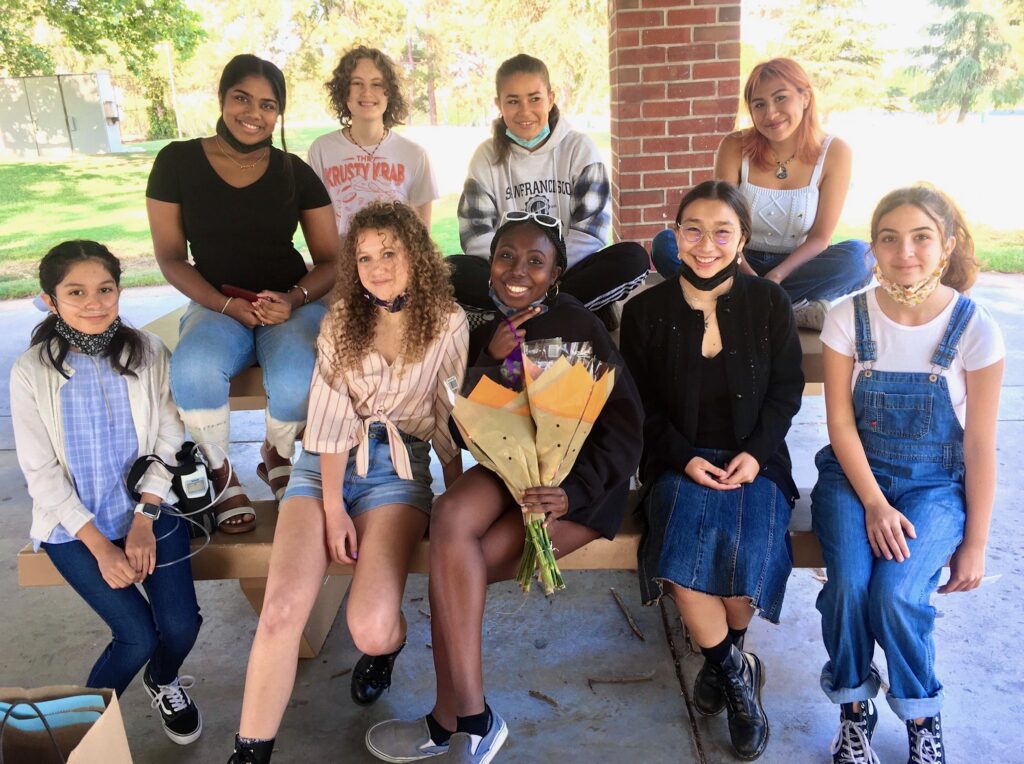
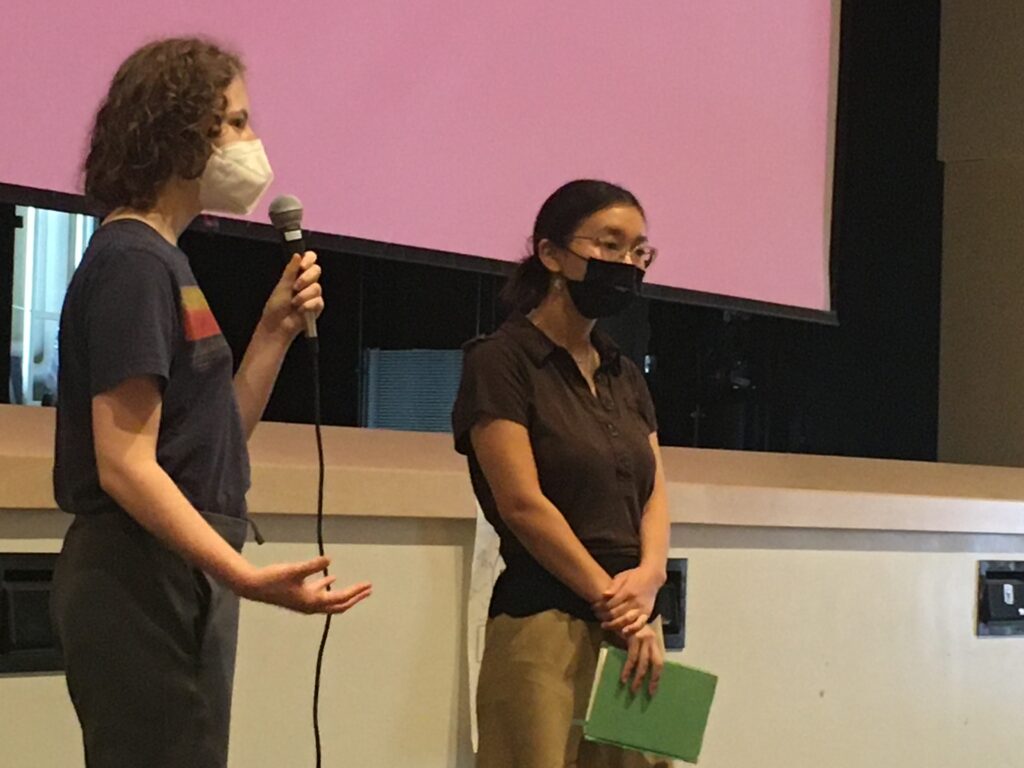
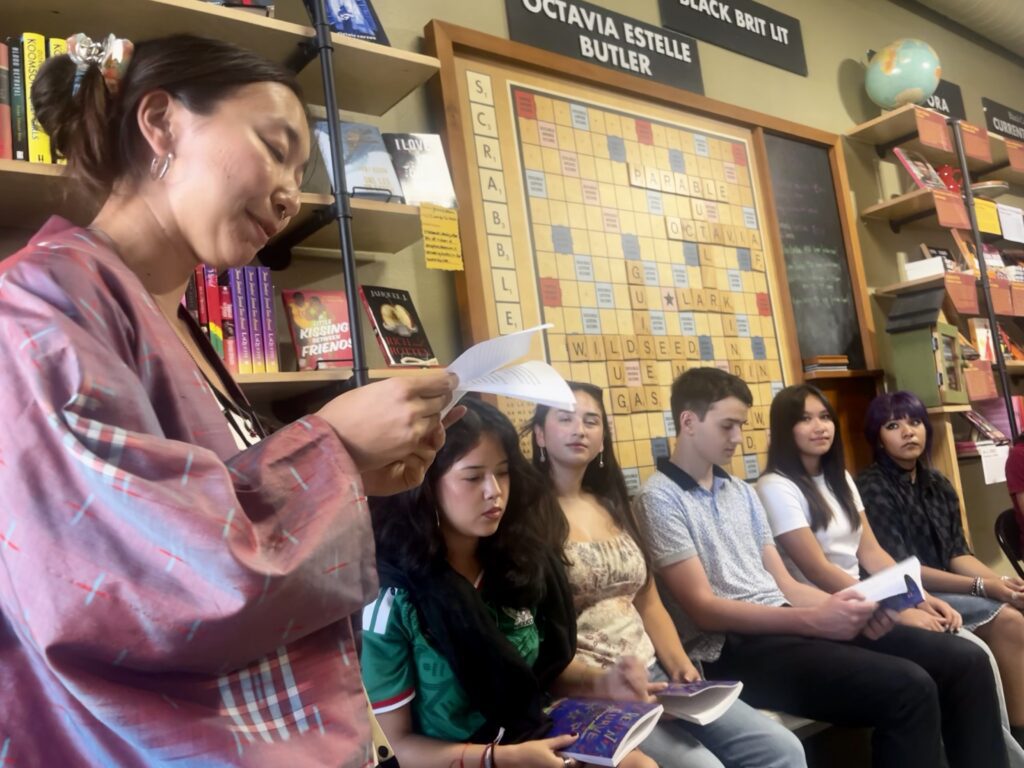
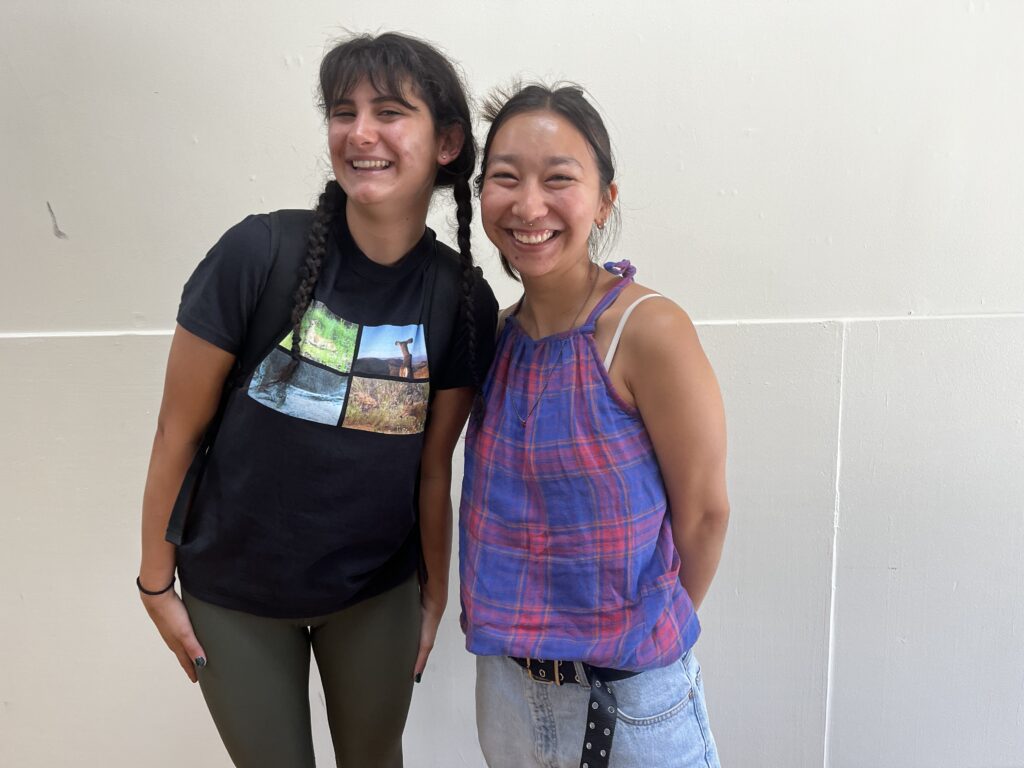
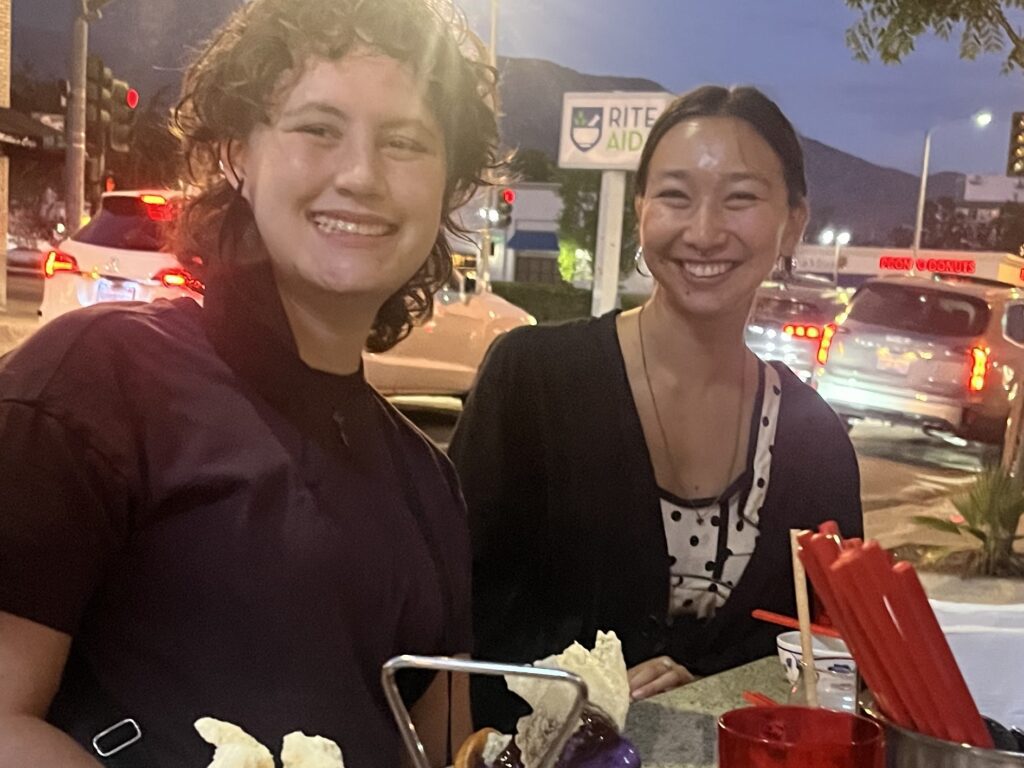
On July 17, 2026, Ella U. served as co-host for The Learning Curve’s book launch at Octavia’s Bookshelf. In 2021, during the coronavirus lockdown, Ella was a Muir HS junior and served as the co-founder of The Learning Curve (TLC). Even though six years have passed, they have remained involved in the publication’s production.
Below are Ella’s welcoming words at Octavia’s Bookshelf, followed by the essay Ella read at the book launch. The complete essay appears in print in The Learning Curve, which is available for purchase from Octavia’s Bookshelf or online by emailing Pasadena Educational Foundation at pef@pasedfoundation.org or calling (626) 396-3625.
Welcome everyone to The Learning Curve (TLC) book launch! Thank you all for being here. And thank you to Nikki High of Octavia’s Bookshelf, for bringing us into your space to share our stories. Thank you too to PEF, Dr. Elizabeth Pomeroy, Dr. Conyers, the PUSD Board of Educators, Superintendent Blanco, Dr. Chan Hill and her leadership team, and to all in Dena who have helped this project sustain and flourish. TLC was founded upon the premise of uplifting student voices and building community-wide, intergenerational connection. Until now, most of our work has been digital – webex, google forms, docs, and emails. This book launch is our first opportunity to translate that work into the tangible. Through empowering, listening, and sharing, your support has helped affirm and realize the power of the student voice. Thank you.
For those unfamiliar, The Learning Curve is an anthology of student stories collected over five years by and from students across the district. Today, you’ll hear a few of us share our narratives, though we encourage you to check out TLC and Building Empathy (another powerful collection of student voices) after the reading. In lieu of giving an in-depth history to the foundations of TLC back in 2021, I will read my narrative, which reflects on the early days of the PUSD Student Think Tank and TLC.
The opportunity to join PUSD’s Student Think Tank came during the midst of the pandemic, January 2021, my junior year. It was the year I spent over eight hours a day on my computer, searching for faces on Zoom and Webex, trying to figure out ways to make my mirror neurons fire. There was no assurance that we would ever come back to in-person school. And I lost the assurance that the world would ever be as safe as I had thought it was.
George Floyd was killed by police while struggling to breathe on May 25, 2020. Anthony McClain was murdered by police in Pasadena just five months later. That year, I turned seventeen. I became irrevocably disillusioned in the systems presumed to provide stability and security. I was alone in my room.
When I was seventeen, I was lonely and afraid. Like I might never return to school. Afraid that my grandma could be hate-crimed or die from Covid like the millions who have died from Covid-19 in the past six years. But the fear of all fears was that there was nothing that I could do to disrupt the wheel of violence that is police, that is our healthcare system, that is climate change, and that is colonialism. That fear doesn’t go away. Fear is essential in letting us know when we are in danger, alerting us when a system allows and intends to strip away our security. It’s how we react to fear that is important.
Joining the Student Think Tank put me side-by-side on a Zoom call along with fifteen other teenagers from across the district similarly fearful of the present’s implication on our future. Being beside them in it, grounded me back to community. The STT was not like any class or any club I had ever participated in. We didn’t know each other, didn’t even go to school together, and it was up to us to figure out what we wanted to do with the space. Sehba is an excellent mentor in community-building. She asked us lots of questions and let us struggle until we figured out what we needed to do. We started by highlighting key issues we witnessed in our own student experience.
As someone who was struggling with my own mental health at the time, I helped establish and joined the Mental Health Committee. But we didn’t quite know what to do with the committee. Sehba, a storyteller herself, suggested we try writing personal narratives relative to our PUSD experience as an exercise. The process for me was therapeutic. It allowed me to connect a personal experience to a political one. It empowered me into action.
During a time when I felt most alone, the STT gave me a space to connect with others, to share the personal, and to translate my fear and pain into action. Sharing and collecting stories isn’t just cathartic, it has a purpose. We hoped, too, that by collecting student stories we could gain perspectives not in attendance at our weekly meetings. We decided to start collecting student stories from across the district. Mya H. and I took lead as editors. We formed TLC, which you’re reading now.
This publication is a testament to community, to PUSD student action, and to the power of narrative to pierce through loneliness, quarantine, and fires and weave us back together. It is a celebration of five years of work from the PUSD’s Student Think Tank.
Since high school, hopelessness has threatened to return. Everyday, I am reminded of the genocide of Palestinians, of neighbors being kidnapped from their homes by ICE, and of the pain and injustice in losing my home and town in the Eaton Fire. But my resilience has gotten stronger too. Community grows strong roots, as all of us have witnessed. The community I found in the STT and TLC taught me how to listen to other’s stories, ask important questions, and how to be critical and caring, especially when things look dark.
Community is essential to resist fear and escape the confines of loneliness. Community is action, it holds us together, keeps us in check, gives us tools to make sense of the world, and times for joy. Community builds resilience.
The Learning Curve is a space for PUSD students to share our stories – it’s a documentation of our resilience. And resilience is key to the fight. To resistance.
Ella U. (she/they, John Muir High ‘22) joined the Student Think Tank in January 2021 and established The Learning Curve. They are currently doing research on the Nikkei community and memory in Altadena/Pasadena. In May 2026, they graduated from Bucknell University and will join the University of California-Berkeley in the fall to pursue a doctorate in Ethnic Studies.