“Teaching in an Embedded Instruction classroom has been one of the most challenging and rewarding experiences we have had in teaching.Given the opportunity, we would love to continue growing the Embedded Instruction TK in new and exciting ways.”
-Stephanie Berlanga
At James Madison Elementary, Stephanie Berlanga is using embedded instruction to innovate her teaching methods in her Transitional Kindergarten classroom. According to Embedded Instruction for Early Learning, embedded instruction is an approach used to promote child engagement, learning, and independence in everyday activities, routines, and transitions. This is accomplished by identifying times and activities when instructional procedures designed for teaching a child’s priority learning targets are implemented in the context of ongoing [naturally-occurring] activities, routines, and transitions in the classroom.
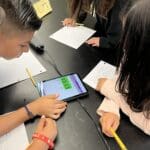
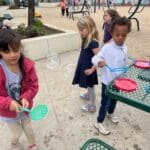
For Berlanga, it’s her priority that both neurodivergent and neurotypical students are provided spaces where they have opportunities to learn comfortably. The embedded instruction method has helped her devise new activities for students that flow between topics naturally, encouraging skill development that works with the child’s growth instead of placing them in traditional learning formats.
With money received through PEF’s Teacher Grants she was able to purchase:
- Fine motor building activities – clay, kinetic sand, modeling foam, bee’s wax sticks, putty, etc.
- Pre-academic skill-building toys – number and letter locks, improved sorting center with bins and manipulatives, math games, and puzzles.
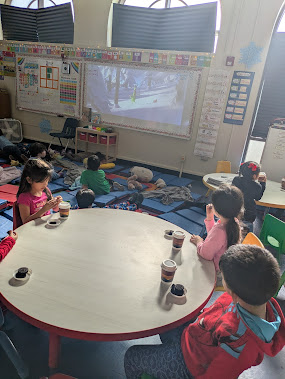
- Sensory supports – a class set of noise canceling headphones, sensory play toys, weighted items, and tents to create quiet zones.
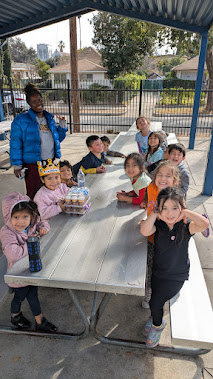
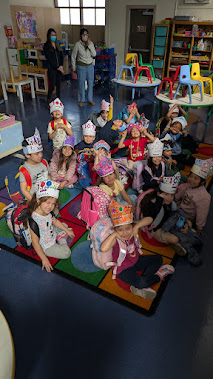
- Celebration supplies – holiday crafts, Thanksgiving party, lunar new year celebration, spring crafts, Puff Ball and Disney Day parties (classroom management and PBIS), end-of-year luau.
Berlanga’s TK students exceeded expectations with this new learning format. Students experienced major improvements in skills such as pre-academics, social-emotional learning, and intra-personal skills.